
Understanding Basic Research: the New Impulse Magazine Offers Insights into Research
#Basic Research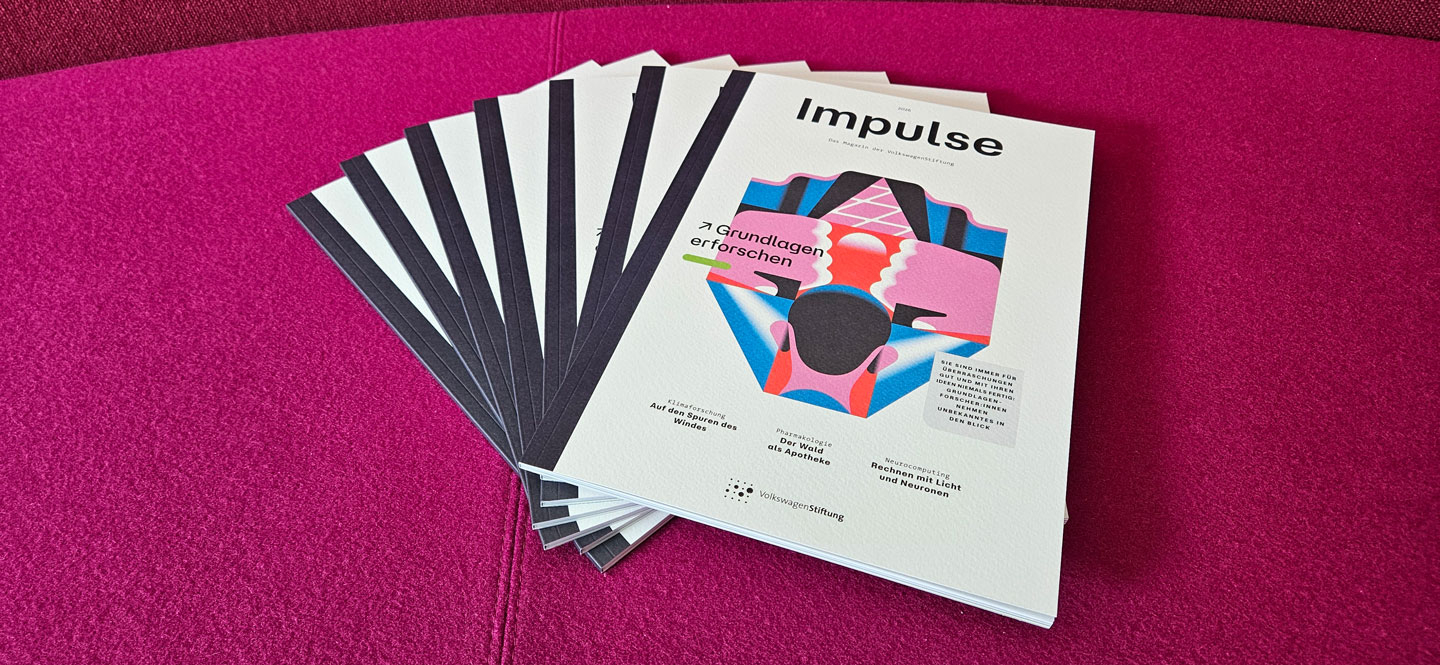
Our magazine IMPULSE 2026 paints a multifaceted picture of basic research: whether at sea, in virtual space or in the laboratory, basic research offers fascinating insights into the unknown. Read the articles on the researchers’ work online, download the magazine as PDF (in German) – or have a printed copy (in German) sent to you free of charge.
Since 1962, basic research has been part of the very DNA of the Volkswagen Foundation’s funding activities; we enable researchers to embark on curiosity-driven projects with uncertain outcomes. But what motivates researchers to venture into completely uncharted territory? What does creativity mean in research, and why do so many shy away from taking that step into the unknown?
In our latest magazine, we offer answers to these questions and fascinating insights into the day-to-day lives of researchers in basic research. Read more on these topics:
- Climate data from the world’s oceans: Three female scientists aim to extract key climate data from old ship’s logs in order to reconstruct historical weather records: "Wind leaves no trace on the sea" (page 10).
- The mystery of manganese nodules: Walter Geibert is researching microorganisms in manganese nodules on the seabed: “Life through radioactivity” (p. 17).
- Neurology in virtual space: Christian Beste uses virtual reality to investigate what happens in the brain when people act in completely new situations: “Acting in uncharted territory” (p. 22).
- From the lab to business: The “Institute for Biomedical Translation” helps researchers take the step from the lab to setting up a business (page 42).
- New computer architectures: Wolfram Pernice wants to build computers that allow neural networks to compute directly using light: "Hybrid computers made of nerves and fibre optics" (page 26).
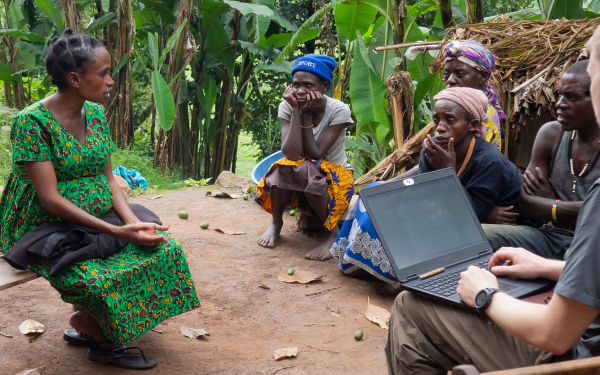
- Mental health: Fabien Schultz is working with indigenous communities to find "Remedies for the mind": natural substances that can treat mental illnesses (page 30).
- Creativity in science: In an interview entitled "Freiraum für neue Ideen", Martin Lercher explains how scientists can discover and nurture their own creativity (p. 36).
- Viruses and hosts: Max Kellner explores the question of why some viruses make people ill and others do not: "High-tech search for virus resilience" (page 38).
Basic Research Theme Page
On our Basic Research theme page, which is constantly being expanded, we have compiled profiles of researchers, reports on research projects, interviews, funding opportunities and events on this topic for you.

Order your free copy (in German)
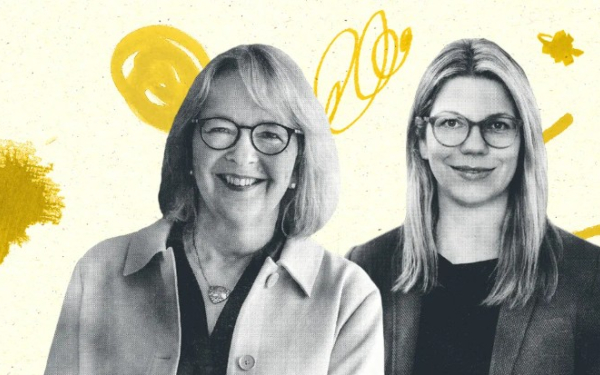
Would you like to receive a free copy of the current issue of IMPULSE 2026? If so, please send an email with your postal address and the subject line 'Impulse 2026' to Birgit Schulz, schulz(at)volkswagenstiftung.de.