Using data to make a bigger impact: How a Change! Fellow is helping NGOs to innovate
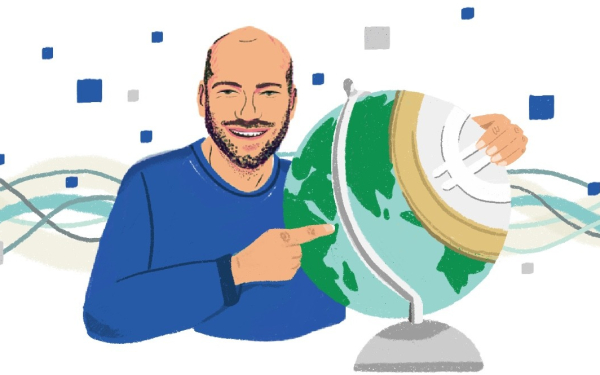
Many non-governmental organisations (NGOs for short), such as associations and foundations, are struggling with limited resources – and with the question of why good ideas often get stuck at the pilot project stage. Change! Fellow Prof. Dr. Orestis Papakyriakopoulos from the Technical University of Munich wants to change that.
When Park Benches Bring People Together: Rethinking Encounters in Urban Spaces
Design researcher Dr. Judith Dörrenbächer from the University of Siegen aims to explore how ‘smart’ technologies in public spaces can foster not only efficiency but also humanity – namely in the form of patient, impartial mediators between people.
Research Into Democracies in Transition: 14.3 Million Euros for Eleven Transdisciplinary Projects
The Volkswagen Foundation is now supporting eleven new research projects on topics such as cyber violence, gender equality, Muslim family law and far-right interpretations of history, amongst others.
Transformational Knowledge on Democracies under Change – Transdisciplinary Perspectives
The programme addresses persons from science together with actors outside of academia who are interested in transdisciplinary research and aim at jointly developing new perspectives on democratic forms of government under change.
Becoming a Change! Fellow: What Matters in your Application
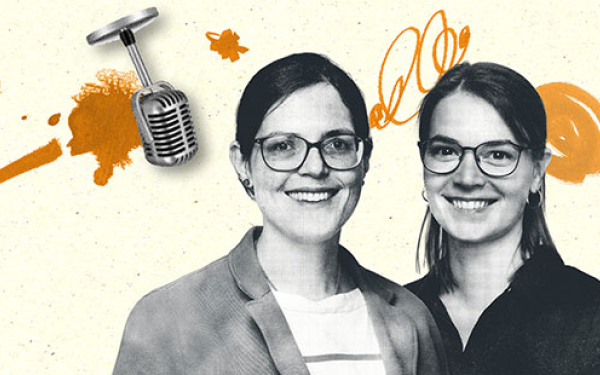
In the face of innumerous crises, expectations placed on the scientific community are growing: it is expected to develop fact-based courses of action and contribute towards shaping workable solutions. The Foundation’s Change! Fellowships are designed to facilitate transdisciplinary research projects. But what counts when submitting an application, and which projects have already been approved? The programme directors Annabella Hüfler-Fick and Mona Weyrauch explain the requirements.
With the new funding program, the Volkswagen Foundation supports scientists who conduct research on transformation processes and, with the help of their network, put their knowledge into practice. Next deadline for Fellowships in 2027
Manganese Nodules and Microorganisms: Life Fuelled by Radioactivity?
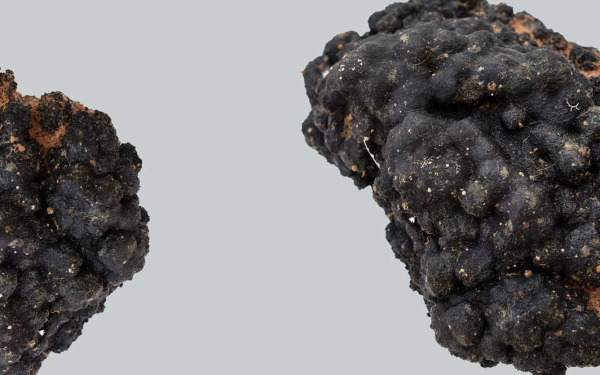
Radioactivity is generally considered harmful to life. Yet in manganese nodules in the deep sea, microorganisms might benefit from it. Or even live off it? This is the intriguing hypothesis that geoscientist Walter Geibert hopes to prove.
What happens in the brain when we are confronted with completely unknown things and situations? At TU Dresden, Christian Beste is researching what is known as the "unknown unknown". To do so, he is turning science on its head.