New 'Change!' Projects Use Research to Shape Change
How can our society become sustainable? The Volkswagen Foundation is funding eight new research projects with a total of €14.4 million. They are approaching this question from different angles – together with partners from the field. Topics include among others smart technologies in urban areas and the use of AI in urban development.
'The Question of Social Impact Challenges Science'
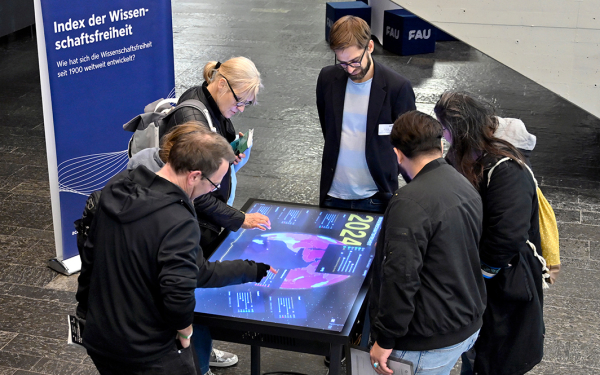
Every day, Katrin Kinzelbach and Lars Lott could stand in a lecture hall explaining the Academic Freedom Index. Demand is high. So is the burden on the researchers. How can a balance be struck between science and impact?
Call for Contributions: Living Handbook of Science Communication and Science Studies
The "Living Handbook of Science Communication and Science Studies" is a freely accessible online platform that provides information about the science system and communication between research and society.
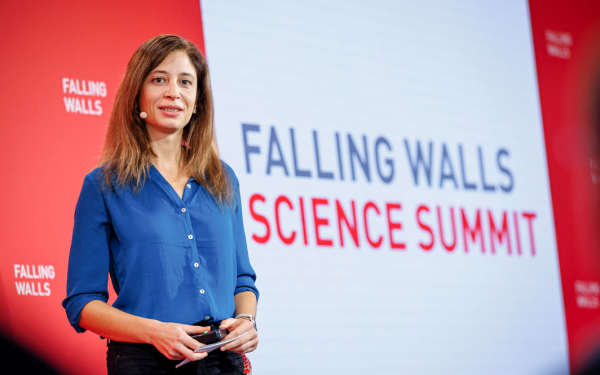
Ângela Gonçalves is this year's winner of the Women's Impact Award and Science Breakthrough of the Year. Her research is revolutionising our understanding of women's health and ageing. The Volkswagen Foundation supports the Women's Impact Award together with ‘Falling Walls Female Science Talents’ and the Elsevier Foundation.
Register now for the free livestream: Falling Walls will take place in Berlin from 6 to 9 November 2025. Here is an overview of all live-streamed events in which the foundation is involved.
Coasts Under Pressure – New Strategies for Coastal Protection
Storm surges, rising sea levels, endangered coasts: as part of her Change! Fellowship, Dr Claudia Wolff from the University of Kiel is working with local stakeholders to find new ways of ensuring sustainable coastal protection on the Baltic Sea.
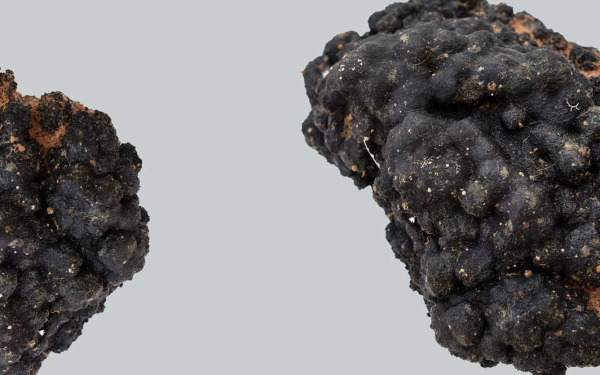
Manganese Nodules and Microorganisms: Life Fuelled by Radioactivity?
Radioactivity is generally considered harmful to life. Yet in manganese nodules in the deep sea, microorganisms might benefit from it. Or even live off it? This is the intriguing hypothesis that geoscientist Walter Geibert hopes to prove.
What happens in the brain when we are confronted with completely unknown things and situations? At TU Dresden, Christian Beste is researching what is known as the "unknown unknown". To do so, he is turning science on its head.