Newsroom

Story 11 May 2020

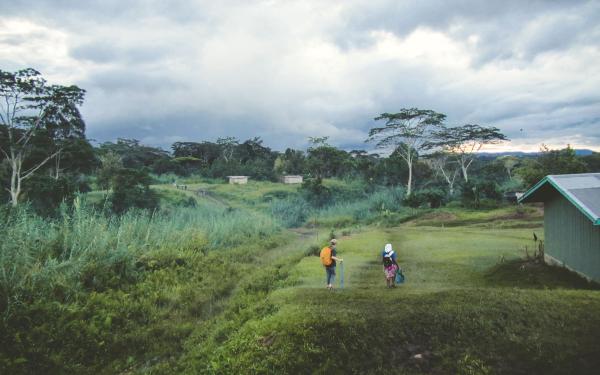
How do children learn to speak?

The linguist Birgit Hellwig is researching the language acquisition of small children – on the example of Qaqet, an endangered language in Papua New Guinea.

Story 28 February 2020

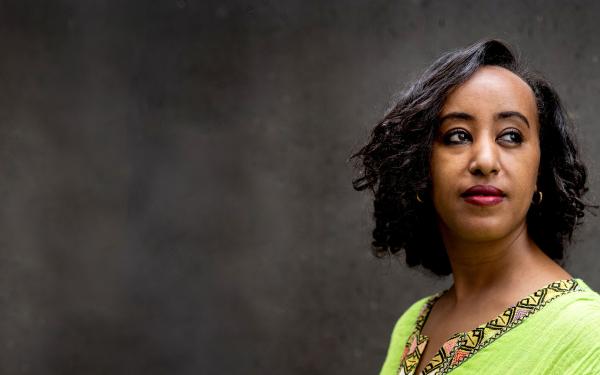
On Their Way to a Better Life

Migration has many neglected stories: Anthropologist Meron Zeleke Eresso looks at the world of Ethiopian transit migrant women in the Horn of Africa.

Story 25 February 2020

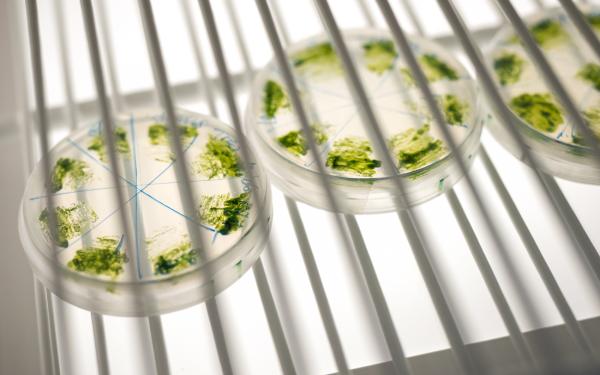
Artificial Photosynthesis: Better than green

The microbiologist Tobias Erb has reinvented photosynthesis in the laboratory. Might this one day lead to industrial application – with the beneficial side effect of removing carbon dioxide from the atmosphere? The next steps will be exciting ...

Story 03 February 2020

Ethics for Nerds

Computer scientists tend to frown upon ethics as a "wishy-washy" subject, although there are very good reasons why it should be part of their studies. Those who do look into it have to expect the consequences: Their perceptions change, sometimes even their whole life, and in some places disciplines finally come together. Insights into an academic shift.

Story 13 November 2019

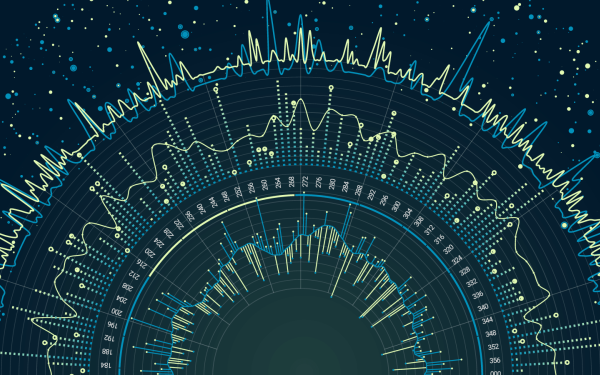
Deciphering Extreme Weather Events

Climate change manifests itself in increasingly severe floods, droughts and storms. How data science could help to understand extreme weather conditions  – and prepare humankind for what’s to come – was discussed at a Herrenhausen Conference on "Extreme Events" in Hanover.

Story 17 October 2019

Coveted Raw Material: Data for Cutting-Edge Research

Technology giants zealously guard their data records – a policy with strict laws that slows down data transfer. So how does research on AI in Germany organize its basic supply of data?

Stories

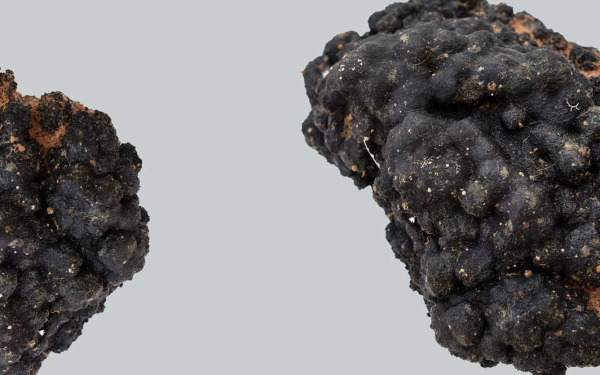
Foto einer einzelnen Manganknolle
Story 15 July 2026

Manganese Nodules and Microorganisms: Life Fuelled by Radioactivity?

Radioactivity is generally considered harmful to life. Yet in manganese nodules in the deep sea, microorganisms might benefit from it. Or even live off it? This is the intriguing hypothesis that geoscientist Walter Geibert hopes to prove.

Illustration, die eine Person mit EEG-Haube zeigt, die auf dem Kopf steht.
Story 08 July 2026

Basic Research: Exploring the unknown

What happens in the brain when we are confronted with completely unknown things and situations? At TU Dresden, Christian Beste is researching what is known as the "unknown unknown". To do so, he is turning science on its head.

Mastodon