Provenance research: The stories behind the things
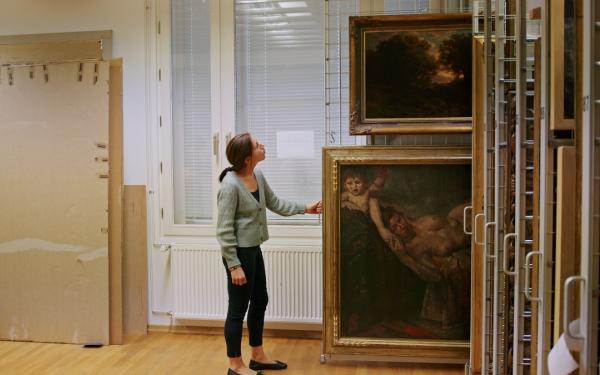
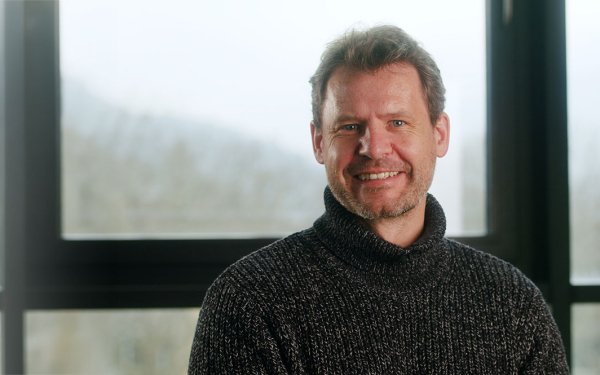
Diving into archives, tracing the migration of museum objects through time and contexts – this is how provenance researcher Claudia Andratschke describes her work. A portrait.
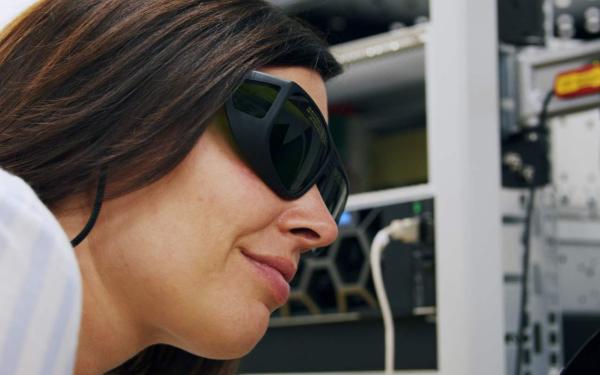
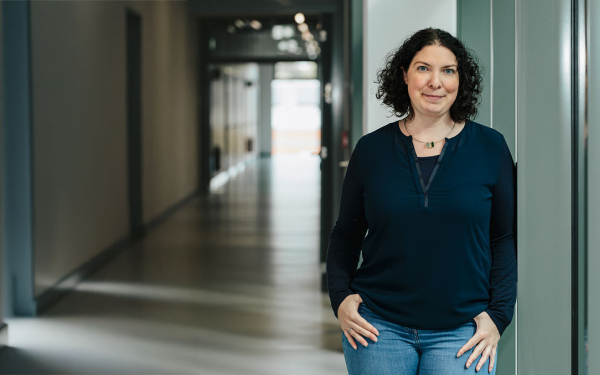
Stefanie Kroker works in the field of nanometrology, creating the tiniest structures and developing techniques to measure them as precisely as possible. Research on quantum computing could also benefit from this. A portrait.
Supporting Science in Sub-Saharan Africa: On the satisfaction derived from developing solutions
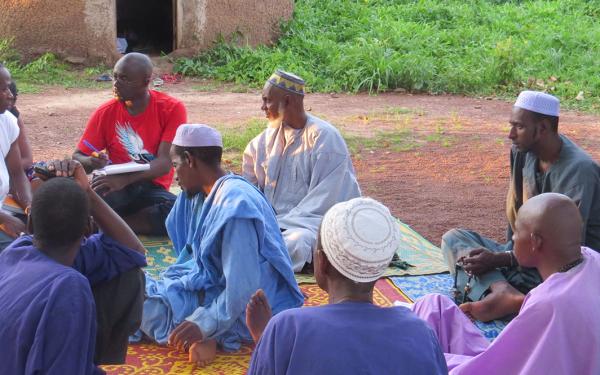
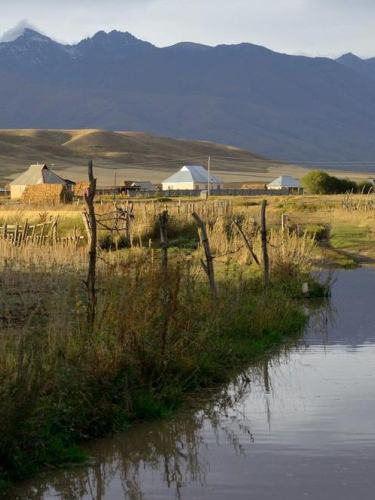
Not only crises caused by political upheavals or famines continue to wreak havoc on societies and communities on the African continent. Gilbert Fokou, a social anthropologist from Cameroon, sees himself as a bridging interface between the people and decision-makers in politics. He is driven by a strong determination to help the very poor.
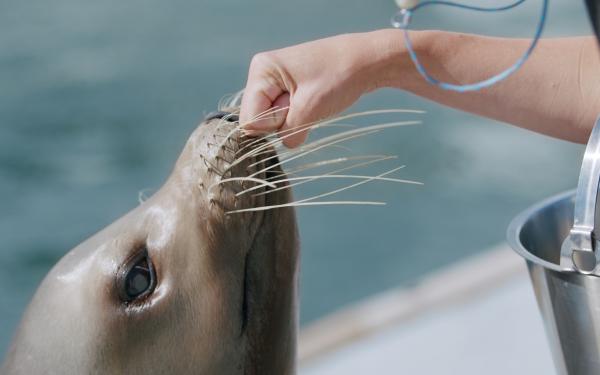
Marine mammals are fascinating creatures. Their visual system in particular, and how it contributes to underwater orientation, for example, is still a mystery. Frederike Hanke from the University of Rostock wants to change that.
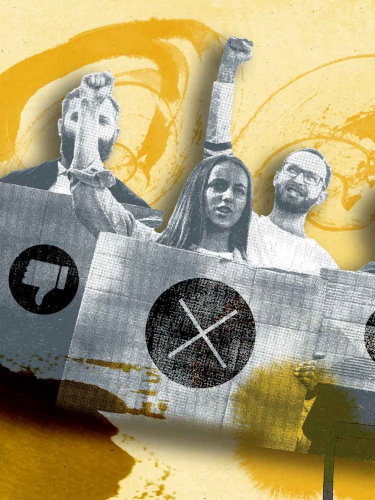
Europe is experimenting with the application of automated decision-making to manage asylum and migration processes. Researchers in an international project are investigating whether and how the use of algorithms is able to contribute to fairness.
Wolfram Pernice is researching how computers based on neural networks could in future compute even faster and more efficiently – using light instead of electronics. And real nerves instead of optical fibres.
Marine scientist Dr Christina Roggatz from the University of Bremen is leading her own team for the first time – and through her work wants to arrive at a better understanding of climate change. Here she gives us an insight into her everyday life as leader of a junior research group.