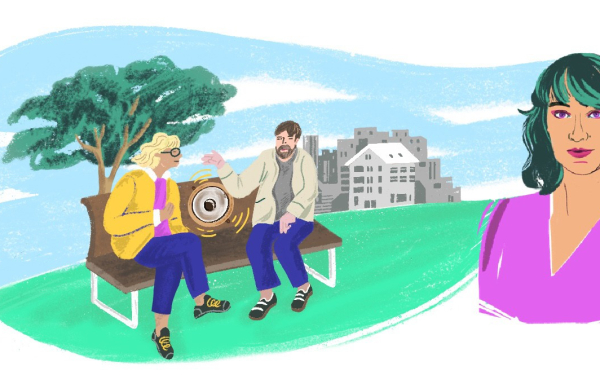
When Park Benches Bring People Together: Rethinking Encounters in Urban Spaces
Design researcher Dr. Judith Dörrenbächer from the University of Siegen aims to explore how ‘smart’ technologies in public spaces can foster not only efficiency but also humanity – namely in the form of patient, impartial mediators between people.
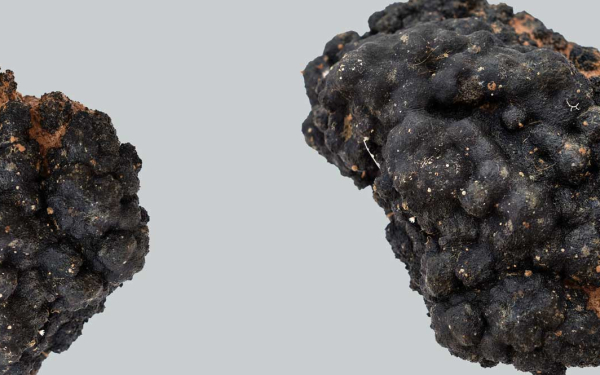
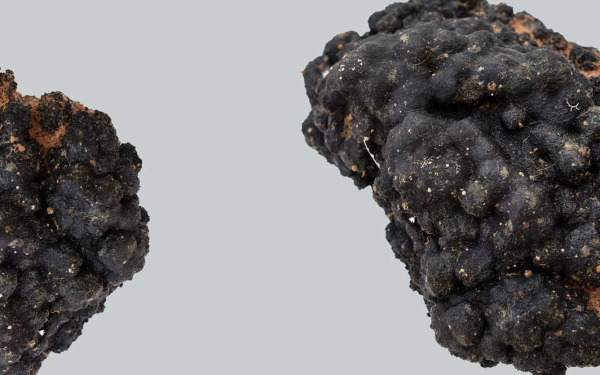
Manganese Nodules and Microorganisms: Life Fuelled by Radioactivity?
Radioactivity is generally considered harmful to life. Yet in manganese nodules in the deep sea, microorganisms might benefit from it. Or even live off it? This is the intriguing hypothesis that geoscientist Walter Geibert hopes to prove.
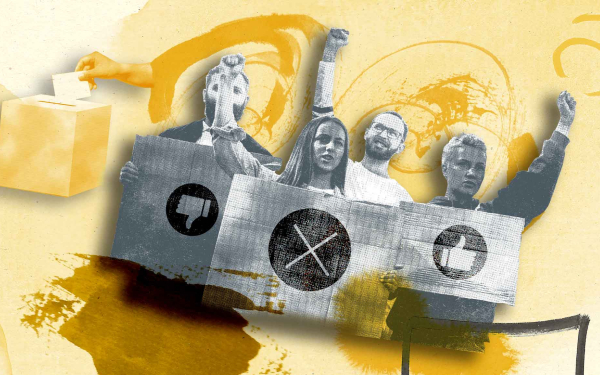
The Volkswagen Foundation and the Hertie Foundation are Supporting German-Israeli Cooperation on Democracy Research
The Volkswagen Foundation and the Hertie Foundation are each providing 1.25 million euros in support of the newly established Max Planck Centre for Democracy, Security and Human Rights.
Research Into Democracies in Transition: 14.3 Million Euros for Eleven Transdisciplinary Projects
The Volkswagen Foundation is now supporting eleven new research projects on topics such as cyber violence, gender equality, Muslim family law and far-right interpretations of history, amongst others.
What happens in the brain when we are confronted with completely unknown things and situations? At TU Dresden, Christian Beste is researching what is known as the "unknown unknown". To do so, he is turning science on its head.
Manganese Nodules and Microorganisms: Life Fuelled by Radioactivity?
Radioactivity is generally considered harmful to life. Yet in manganese nodules in the deep sea, microorganisms might benefit from it. Or even live off it? This is the intriguing hypothesis that geoscientist Walter Geibert hopes to prove.
What happens in the brain when we are confronted with completely unknown things and situations? At TU Dresden, Christian Beste is researching what is known as the "unknown unknown". To do so, he is turning science on its head.