Protecting democracy: ways to engage in constructive debate
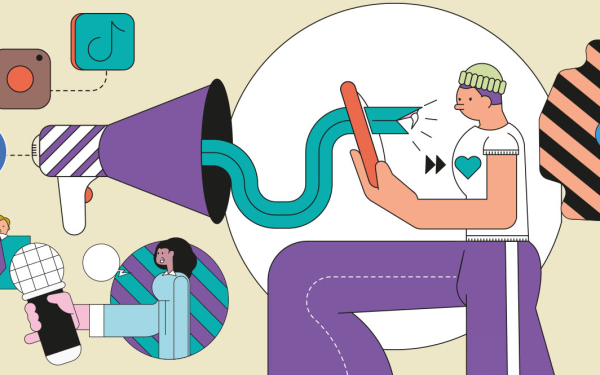
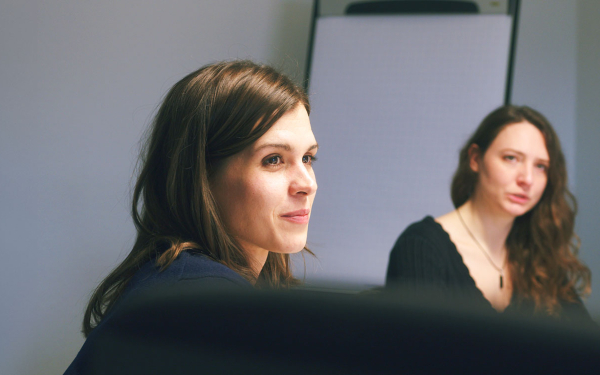
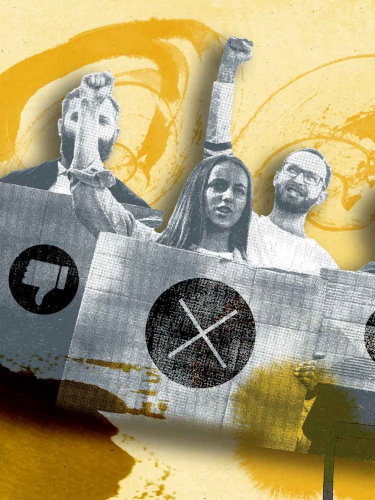
Conflicts are often so deadlocked that constructive dialogue between the opposing sides is no longer possible. Instead, social media is used to fuel stereotypes and fake news. This breakdown in communication threatens democracy. The "Testimonial Lab" project explores new forms of communication that can restore dialogue.
As a tool of science, artificial intelligence entails numerous risks, opportunities, and ambivalences. These need to be identified and classified. However, there is no revolution in sight, according to Jens Schröter.
Hostility towards democracy is on the rise in Germany. Yet politicians and academics pay little attention to the attitudes of a particularly important group: young voters. An interdisciplinary project in eastern Germany is determined to change that.
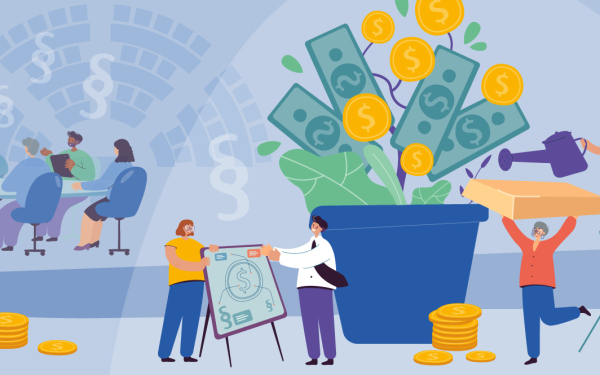
A small, rich minority is becoming increasingly wealthy. Eva Wegner and Miquel Pellicer ask: How does politics contribute to growing economic inequality – and whose interests do MPs actually represent?
So that everyone can have their say: Citizens' assembly on AI research
Rhetoric expert Anika Kaiser researches how people can make themselves heard on the major issues of our time – artificial intelligence (AI) being a case in point. She is the right person to take care that this grassroots democratic process does not remain too detached from reality: in her first life, she trained as a painter.
Archaeology as Reconstruction: Ancient Near Eastern Studies in Mosul
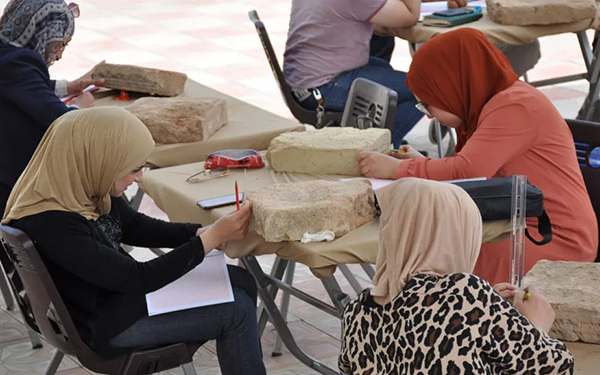
He came to Mosul with the task of excavating ancient Nineveh. In the meantime, however, the mission of the ancient orientalist Stefan Maul goes far beyond this: he is rebuilding the study of antiquity in Iraq. And he is teaching the people what the Islamists robbed them of: pride in their cultural heritage.
Manganese Nodules and Microorganisms: Life Fuelled by Radioactivity?
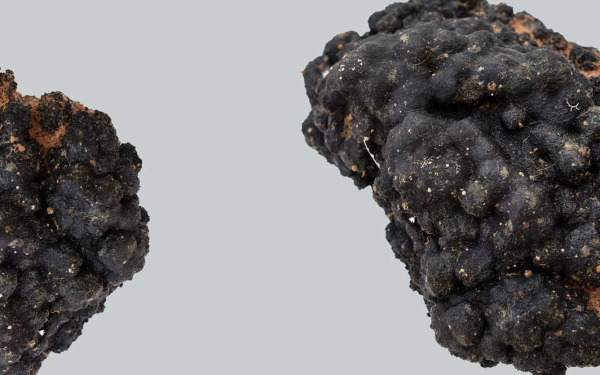
Radioactivity is generally considered harmful to life. Yet in manganese nodules in the deep sea, microorganisms might benefit from it. Or even live off it? This is the intriguing hypothesis that geoscientist Walter Geibert hopes to prove.
What happens in the brain when we are confronted with completely unknown things and situations? At TU Dresden, Christian Beste is researching what is known as the "unknown unknown". To do so, he is turning science on its head.