Why does neurodegeneration research need new impetus - and how can interdisciplinarity help to achieve a breakthrough? Our Program Directors Dr Theresa Kratzsch and Dr Franziska Rönicke explain the vision behind the new 'NEXT – Rethink Neurodegeneration!' call.
Interdisciplinary research teams investigating the fundamental mechanisms of dementia-causing neurodegeneration are invited to apply up until 28 August 2025.
Research for democracy: funding programme for cooperation projects
How do democracies change in the face of global challenges? And what can science contribute to their resilience? Researchers and stakeholders outside of academia are to develop answers in cooperation projects funded by the Volkswagen Foundation for up to five years. Nora Kottmann and Cora Schaffert-Ziegenbalg present the programme.
Sustainability and a resource-efficient design of research processes are important issues for the foundation. It therefore provides its funding recipients with funds to have their laboratories certified as sustainable through respective certification programmes.
Apply now with your symposium: The causes, consequences and challenges of strained financial, material and human resources on society and economy are in the focus of the theme week from 15 to 17 April 2026. Deadline: 02 September 2025
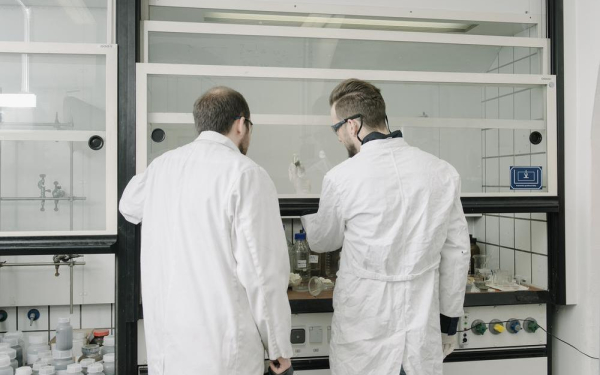
From energy-intensive equipment and ventilation systems to consumables: scientific research laboratories consume a lot of energy and other resources. Chemist Prof. Dr Nico Bruns from TU Darmstadt explains why it pays to properly organise laboratories with the aim of achieving more sustainably.
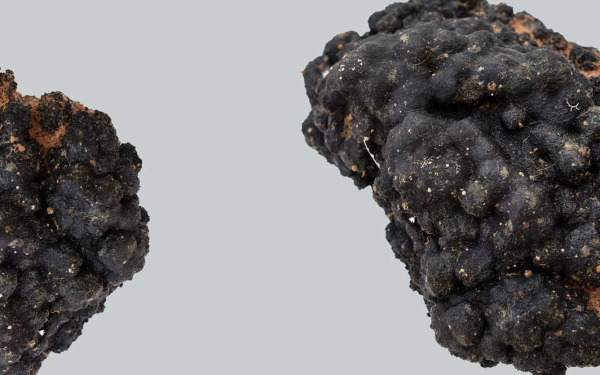
Manganese Nodules and Microorganisms: Life Fuelled by Radioactivity?
Radioactivity is generally considered harmful to life. Yet in manganese nodules in the deep sea, microorganisms might benefit from it. Or even live off it? This is the intriguing hypothesis that geoscientist Walter Geibert hopes to prove.
What happens in the brain when we are confronted with completely unknown things and situations? At TU Dresden, Christian Beste is researching what is known as the "unknown unknown". To do so, he is turning science on its head.