Newsroom

Interview 07 December 2020

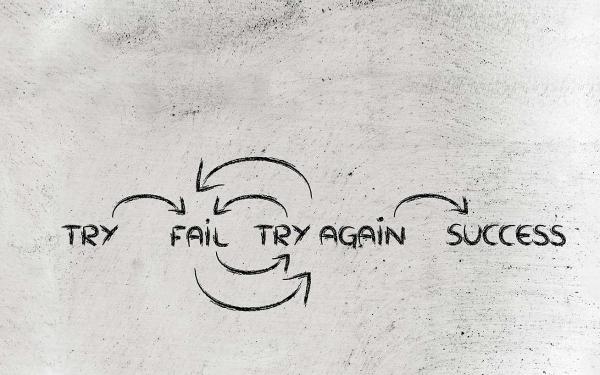
When science fails: "You might as well spare yourself the effort!"

Science, too, has its share of failures and mistakes. But nobody likes to talk about it in public. The Journal of Unsolved Questions takes a completely different approach. It publishes zero results.

Grafik von einer Lostrommel.
Story 23 November 2020

8 theses for a lot element in research funding

Quality assurance is and remains absolutely indispensable for science. However, the limitations of peer review are becoming increasingly evident. New approaches are therefore urgently needed – such as the partially randomized selection of projects by lot.

Interview 05 November 2020

High level of acceptance for project selection by lot

In our interview, Dr. Dagmar Simon and Dr. Martina Röbbecke from Evaconsult report on initial results from their accompanying research project on the partially randomized procedure applied in the "Experiment!" funding initiative.

News 19 October 2020

PREMIER - a model for better research quality

Missing data, incomplete minutes, unclear research designs: many pre-clinical studies in biomedicine are not quite 100% robust. A team led by Charité researcher Prof. Dr. Ulrich Dirnagl is committed to improving research quality – so they developed PREMIER.

Interview 15 September 2020

On the way to an ideal science discourse

Corona gives science a shakeup. One effect is that researchers discuss their ideas more openly and share their data and results earlier. That is Open Science. Does openness make research better? A conversation with Ulrich Dirnagl.

Interview 18 August 2020

Knowledge of primeval times helps to counter the climate crisis

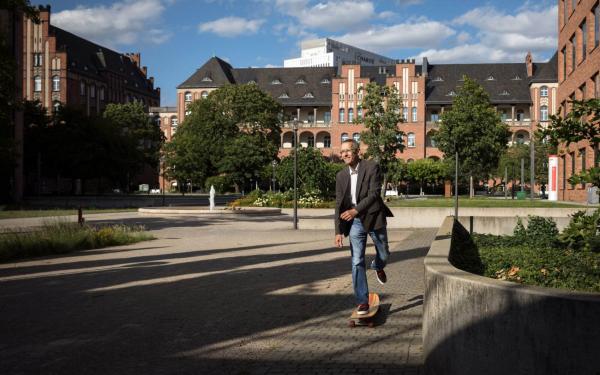
The Intergovernmental Panel on Climate Change (IPCC) has appointed palaeobiologist Wolfgang Kiessling to act as a main author of the next world climate report. Read the following interview about forecasts, parallels, and his contribution to combating the climate crisis.

Stories

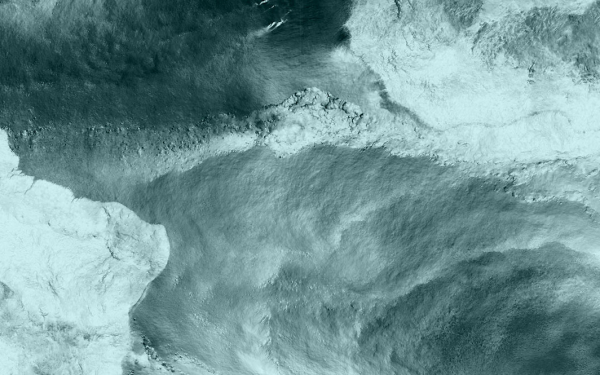
Satellitenansicht der Innertropischen Konvergenzzone
Story 09 June 2026

Climate Research Using Old Ship’s Logs: the Wind Leaves no Trace on the Sea

Did a volcanic eruption in 1783 shift the tropical rain belt? Old ship’s logs could provide the answer – and also shed light on the future climate for millions of people living around the equator.

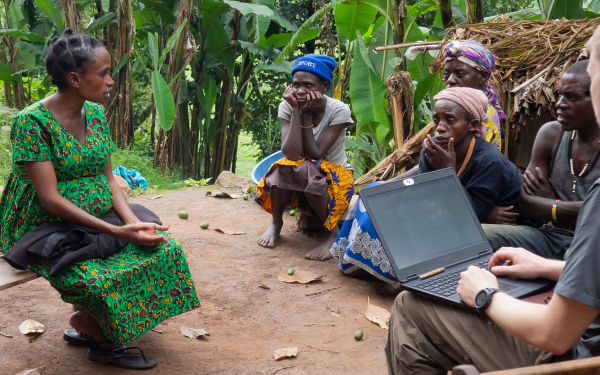
Mehrere Personen sitzen zusammen, eine Frau erzählt etwas, ein Mann tippt dabei an einem Laptop. Im Hintergrund sind Bananenpflanzen und ein Dschungel-Wald zu sehen.
Story 27 May 2026

A Pharmacy From the Rainforest: Remedies for the Mind

Fabien Schultz is searching for natural materials that can be used to treat mental health conditions. To this end, he is working with indigenous communities in Uganda and Tanzania – and with monkeys.

Mastodon