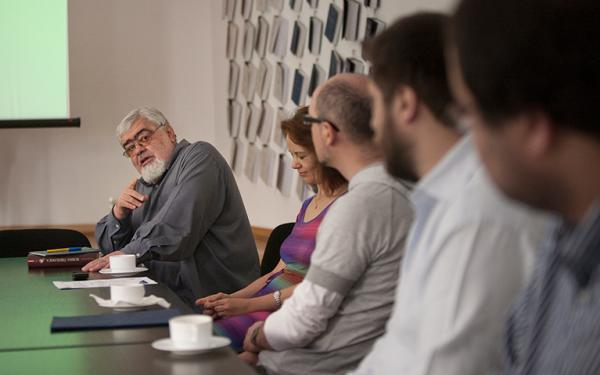
From 12 to 19 March 2019, the established Spring School brought together scientists from neurobiology, computer science, engineering, psychology and philosophy in order to deal with senses and sensors across disciplines and with the data collected.
Artificial Intelligence: Where Does it Make Sense, and Where Should We be More Wary?
A panel member of this year's German Research Summit, science journalist Manuela Lenzen discusses how artificial intelligence (AI) affects society. In the following interview, the author of "AI – What it can do and what awaits us" answers some fundamental questions on the topic.
Using Light to Steer Microparticles Through Liquids
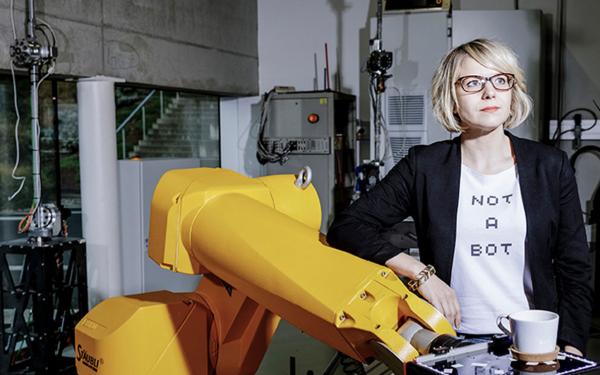
"Like a license to tinker around": Freigeist Fellow Juliane Simmchen explores how to move the tiniest particles in liquids. One goal: to remove pollutants from water or to specifically target the transportation of drugs through the body.
Mit "Momentum" adressiert die VolkswagenStiftung eine enge Zielgruppe: erstberufene Professorinnen und Professoren. Was die Förderinitiative dieser Klientel zu bieten hat, erläutern die zuständigen Förderreferentinnen Antje Tepperwien und Anja Fließ.
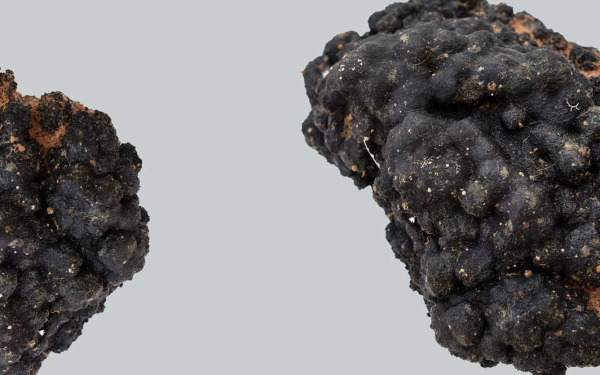
Manganese Nodules and Microorganisms: Life Fuelled by Radioactivity?
Radioactivity is generally considered harmful to life. Yet in manganese nodules in the deep sea, microorganisms might benefit from it. Or even live off it? This is the intriguing hypothesis that geoscientist Walter Geibert hopes to prove.
Climate Research Using Old Ship’s Logs: the Wind Leaves no Trace on the Sea
Did a volcanic eruption in 1783 shift the tropical rain belt? Old ship’s logs could provide the answer – and also shed light on the future climate for millions of people living around the equator.