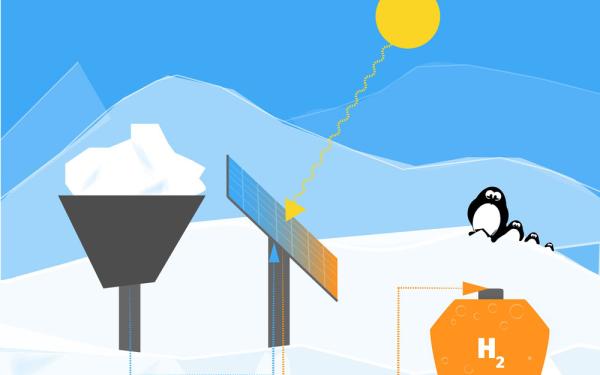
Green Power for Antarctica: Solar Hydrogen as an Alternative to Oil?
Could "solar hydrogen" produced from sunlight serve as energy alternative to oil in the Antarctic? A feasibility study by HZB experts in artificial photosynthesis within the "Experiment!" funding initiative. Next deadline for applications for "Experiment!": July 10, 2019
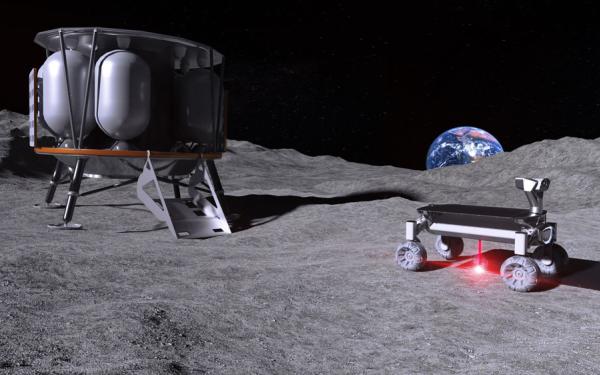
MOONRISE: Bringing 3D-printing to the Moon – Melting Moon Dust with the Laser
With the MOONRISE project, the Laser Zentrum Hannover e. V. (LZH) and the Institute of Space Systems (IRAS) of the Technical University of Braunschweig are aiming at melting moon dust with a laser in order to make it usable as building material.
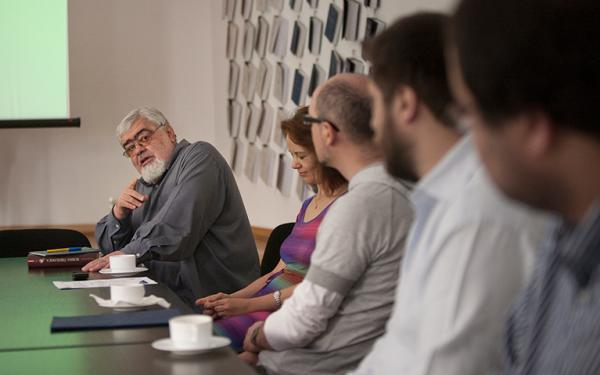
Congratulations: 25 Years New Europe College in Bucharest
Even though the governments of their home countries are at loggerheads – at New Europe College (NEC), young researchers from all the Black Sea countries work together peacefully on joint projects – and thus fulfill the vision of NEC founder Andrej Plesu.
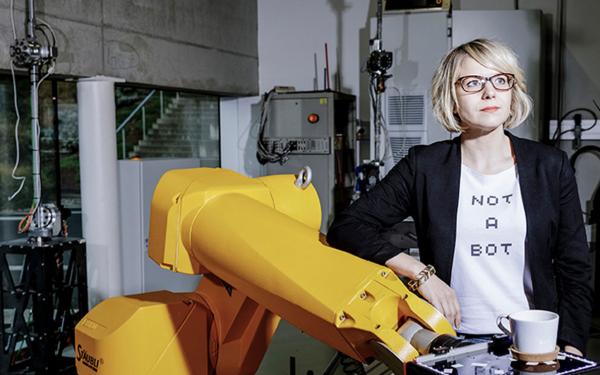
Less apprehension, in return for a more intensive social debate: Robot psychologist Martina Mara puts in a plea for a more visionary approach to robotics and artificial intelligence – and to bridge the gaps between the disciplines.
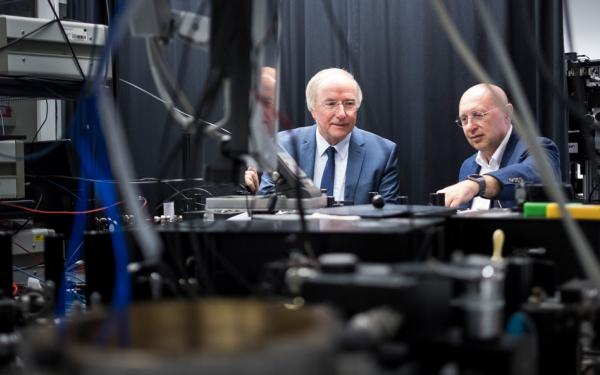
The Nobel Laureate Stefan Hell and the Secretary General of the Volkswagen Foundation Wilhelm Krull on the sirens of assembly-line research, fainthearted experts and courageous free spirits.
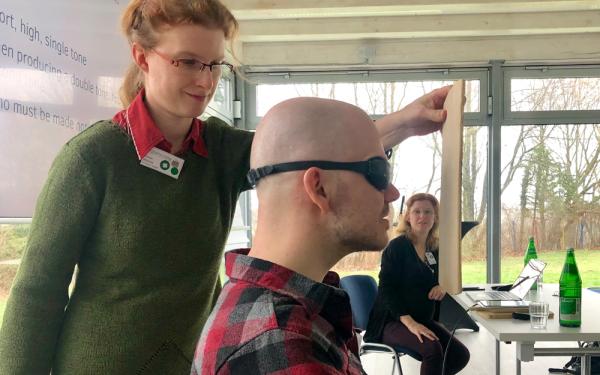
From 12 to 19 March 2019, the established Spring School brought together scientists from neurobiology, computer science, engineering, psychology and philosophy in order to deal with senses and sensors across disciplines and with the data collected.
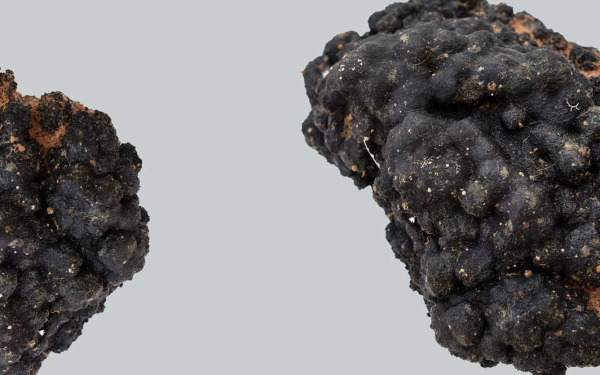
Manganese Nodules and Microorganisms: Life Fuelled by Radioactivity?
Radioactivity is generally considered harmful to life. Yet in manganese nodules in the deep sea, microorganisms might benefit from it. Or even live off it? This is the intriguing hypothesis that geoscientist Walter Geibert hopes to prove.
What happens in the brain when we are confronted with completely unknown things and situations? At TU Dresden, Christian Beste is researching what is known as the "unknown unknown". To do so, he is turning science on its head.