Newsroom

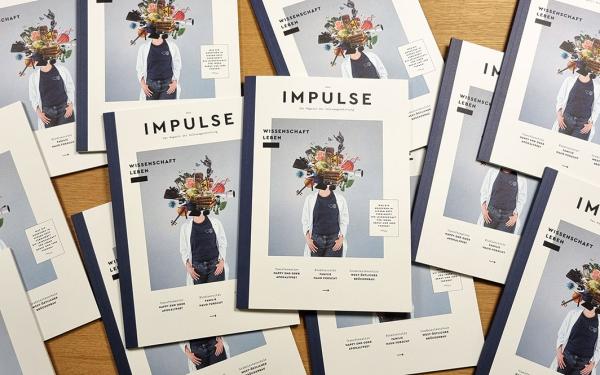
mehrere Ausgaben des aktuellen Impulse-Magazins auf einem Tisch ausgebreitet
Publications of the Foundation 05 July 2023

Living science - "Impulse" magazine 2023

In its 2023 issue, the foundation magazine "Impulse" introduces scientists who combine passion and profession and who are following their very own path. Let yourself be infected by the enthusiasm of these researchers - read their stories on the website download or in the print edition. 

Gradient from light green to light blue
News 04 July 2023

status 2022 – Annual report of the Volkswagen Foundation

In 2022, the Volkswagen Foundation approved EUR 331,9 million for scientific projects. Figures, data and facts from our 2022 annual report.

Many hands with wooden jigsaw pieces
Publication of the Foundation 11 April 2023

Strategic guidelines transdisciplinarity transfer science communication

The Volkswagen Foundation's strategic guidelines on transdisciplinarity.

Magazincover "Impulse" 2022
Publication of the Foundation 28 June 2022

Impulse Ausgabe 2022 (in German): "Was soll ich? Was darf ich?"

Farbverlauf von hellgrün zu hellblau
Publication of the Foundation 21 June 2022

Status 2021 - The Volkswagen Foundation in figures

In 2021, the Volkswagen Foundation approved EUR 238.8 million for scientific projects. The most important figures, data and facts from our 2021 annual report.

Publication of the Foundation 20 June 2022

Annual Report: Status 2021

Stories

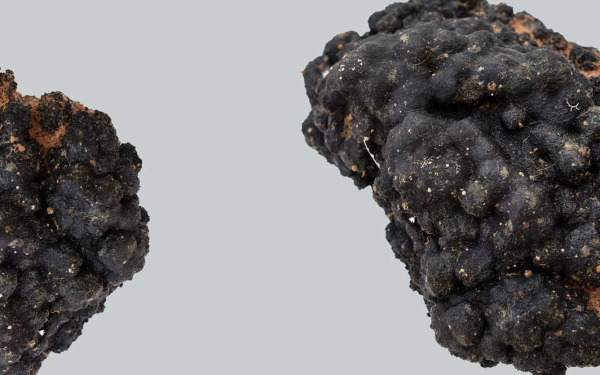
Foto einer einzelnen Manganknolle
Story 15 July 2026

Manganese Nodules and Microorganisms: Life Fuelled by Radioactivity?

Radioactivity is generally considered harmful to life. Yet in manganese nodules in the deep sea, microorganisms might benefit from it. Or even live off it? This is the intriguing hypothesis that geoscientist Walter Geibert hopes to prove.

Satellitenansicht der Innertropischen Konvergenzzone
Story 09 June 2026

Climate Research Using Old Ship’s Logs: the Wind Leaves no Trace on the Sea

Did a volcanic eruption in 1783 shift the tropical rain belt? Old ship’s logs could provide the answer – and also shed light on the future climate for millions of people living around the equator.

Mastodon