Pioneering Research – Exploring the Unknown Unknown
With the programme "Pioneering Research – Exploring the Unknown Unknown", the Foundation supports groundbreaking and risky research ideas with high scientific relevance.
Transformational Knowledge on Democracies under Change – Transdisciplinary Perspectives
The programme addresses persons from science together with actors outside of academia who are interested in transdisciplinary research and aim at jointly developing new perspectives on democratic forms of government under change.
Strategic Experimental Spaces – University Development Requires Flexibility
Funding is provided for strategic concepts at universities in conjunction with the relevant ministries, within which new approaches are tested that previously could not be implemented due to legal or bureaucratic regulations. Next deadline: 10 September 2026; online Q&A on 2 July
With the new funding program, the Volkswagen Foundation supports scientists who conduct research on transformation processes and, with the help of their network, put their knowledge into practice. Next deadline for Fellowships in 2027
"Momentum" Initiative Provides Funding for Recently Tenured Professors
The Volkswagen Foundation supports professors three to five years after taking up their first tenured professorship at a university in Germany. The next application deadline: 6 April 2027
New Funding Programme: Calling for Europe's Security Experts of the Future
We are looking for the security experts of the future: The call is aimed at young postdoctoral researchers who do research on the nexus of security and technology with a distinct European perspective. Online Q&A: 9 April, application deadline: 5 May 2026
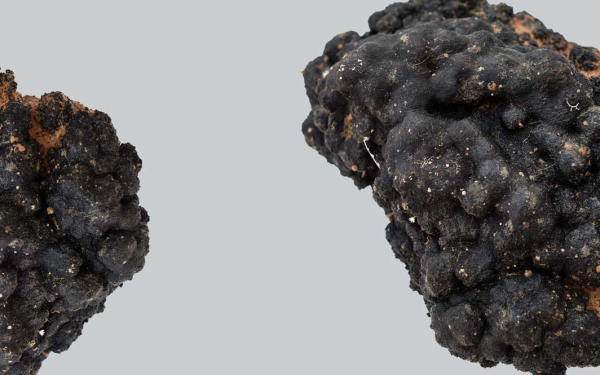
Manganese Nodules and Microorganisms: Life Fuelled by Radioactivity?
Radioactivity is generally considered harmful to life. Yet in manganese nodules in the deep sea, microorganisms might benefit from it. Or even live off it? This is the intriguing hypothesis that geoscientist Walter Geibert hopes to prove.
What happens in the brain when we are confronted with completely unknown things and situations? At TU Dresden, Christian Beste is researching what is known as the "unknown unknown". To do so, he is turning science on its head.