The "Lower Saxony Impulse Professorship" addresses academics approaching the end of their early career phase up to a maximum of ten years after completing their doctorate.
The "Lower Saxony Professorship" addresses exceptional academics who are professionally excellent and have several years of (management) experience in the science system. They are expected to have the capacity to shape the profile and structure of their university location and impact the research region at large.
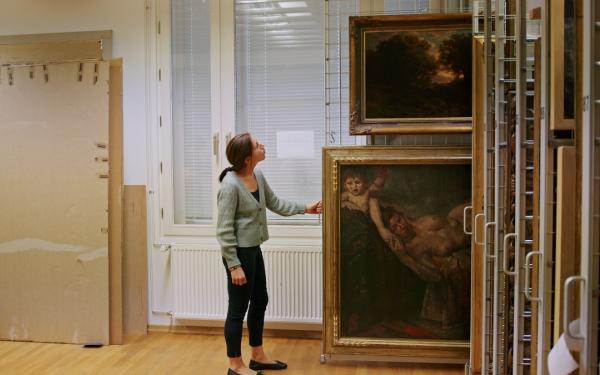
Provenance research: The stories behind the things
Diving into archives, tracing the migration of museum objects through time and contexts – this is how provenance researcher Claudia Andratschke describes her work. A portrait.
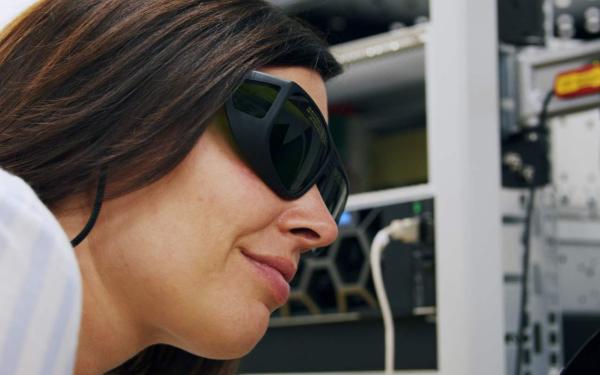
Stefanie Kroker works in the field of nanometrology, creating the tiniest structures and developing techniques to measure them as precisely as possible. Research on quantum computing could also benefit from this. A portrait.
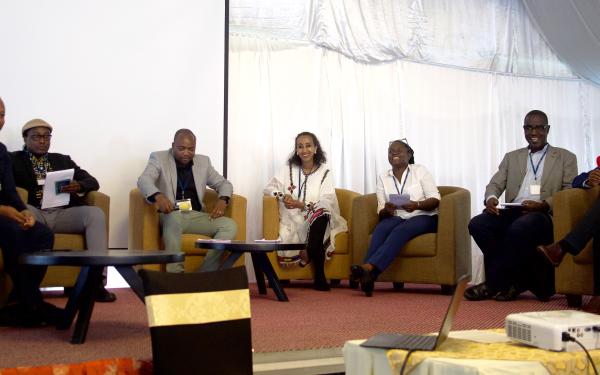
African scientists create "Knowledge for Tomorrow"
The Volkswagen Foundation launched its research commitment in Africa 20 years ago. Now, the Foundation is inviting its fellows to Naivasha, Kenya, for a future-oriented dialogue.
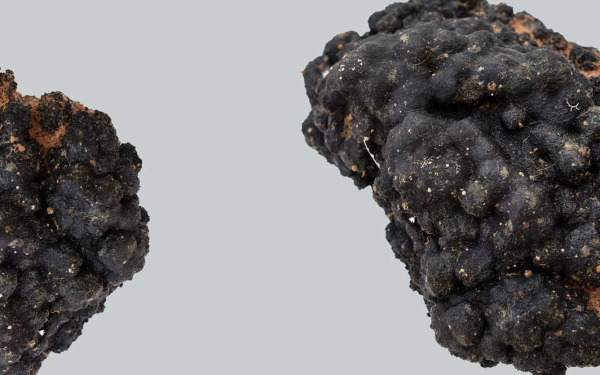
Manganese Nodules and Microorganisms: Life Fuelled by Radioactivity?
Radioactivity is generally considered harmful to life. Yet in manganese nodules in the deep sea, microorganisms might benefit from it. Or even live off it? This is the intriguing hypothesis that geoscientist Walter Geibert hopes to prove.
What happens in the brain when we are confronted with completely unknown things and situations? At TU Dresden, Christian Beste is researching what is known as the "unknown unknown". To do so, he is turning science on its head.